Braze vs HubSpot vs Iterable
There is no single winner here because these three tools solve different problems at different budgets. HubSpot is the only one of the three with a genuinely…
Usage-based (custom enterprise pricing)
Best for: Venture-backed or public consumer brands with dedicated engineering and growth resources that need mature, event-triggered cross-channel messaging and a Currents pipeline into an existing data warehouse or CDP.
Freemium · From Free
Best for: Small businesses through mid-market teams that want a genuinely free CRM to start with, then grow into unified marketing, sales, and service automation without stitching together separate tools.
Enterprise · From Custom pricing (quote-based, scales with monthly active users)
Best for: Marketing teams that want sophisticated cross-channel journey orchestration and AI-driven personalization (Nova Agent, Brand Affinity, Predictive Goals) without needing heavy engineering support to run it.
At a Glance
| Braze | HubSpot | Iterable | |
|---|---|---|---|
| Primary category | Email Marketing | Email Marketing | Email Marketing |
| Rating | Not documented | Not documented | Not documented |
| Pricing model | Usage-based (custom enterprise pricing) | Freemium | Enterprise |
| Starting price | Not documented | Free | Custom pricing (quote-based, scales with monthly active users) |
| Free plan | Not documented | Yes | Not documented |
| Free trial | Not documented | Yes | Not documented |
| Platforms | Web, iOS, Android | Web, iOS, Android | Web |
| Team collaboration | Not documented | Not documented | Not documented |
| AI features | Yes | Yes | Yes |
| Public API | Yes | Yes | Yes |
Standout Differences
Only HubSpot has public, self-serve pricing
Braze and Iterable both require a custom sales quote with no published list pricing, while HubSpot publishes per-seat pricing for every tier starting from a permanently free CRM.
Braze, HubSpot, Iterable
HubSpot unifies marketing, sales, and service; Braze and Iterable are engagement specialists
HubSpot's Hubs share one CRM record across marketing, sales, and support, whereas Braze and Iterable are purpose-built messaging and journey-orchestration layers meant to sit alongside a company's existing CRM or CDP.
HubSpot
Iterable positions itself as easier to run without engineering
Iterable's own positioning emphasizes marketer-controlled segmentation and journey building without heavy engineering support, contrasting with Braze's requirement for SDK integration and data engineering resources.
Braze, Iterable
All three have invested heavily in generative AI, but with different focuses
Braze offers Sage AI decisioning and content assistance, Iterable's Nova Agent can autonomously build and optimize campaigns, and HubSpot's Breeze AI spans content generation, chatbots, and predictive lead scoring across Hubs.
Braze, HubSpot, Iterable
Braze's Currents feature is built for teams with existing data infrastructure
Currents streams engagement data out to a company's own warehouse (Snowflake, BigQuery) or CDP, a capability aimed squarely at organizations that already run their own analytics stack.
Braze
Feature-by-Feature
Core capabilities
| Feature | Braze | HubSpot | Iterable |
|---|---|---|---|
| Visual journey or workflow builder | Available | Available | Available |
| Cross-channel messaging (email, push, SMS, in-app) | Available | Limited | Available |
| Unified CRM with sales and service records | Unavailable | Available | Unavailable |
AI and personalization
| Feature | Braze | HubSpot | Iterable |
|---|---|---|---|
| AI-assisted content or campaign generation | Available | Available | Available |
| Predictive per-user scoring (churn, conversion, or lead) | Limited | Limited | Available |
Pricing and access
| Feature | Braze | HubSpot | Iterable |
|---|---|---|---|
| Free or low-cost self-serve entry tier | Unavailable | Available | Unavailable |
| Published list pricing | Unavailable | Available | Unavailable |
Data and integrations
| Feature | Braze | HubSpot | Iterable |
|---|---|---|---|
| Data warehouse streaming or export pipeline | Available | Not documented | Available |
Pricing Compared
Starting price reflects the lowest paid tier, not the full cost for every team size or usage level.
Braze
No individual plan breakdown documented yet.
HubSpot
Iterable
Pros & Cons
Braze
Pros
- Real-time, event-triggered messaging across many channels from one platform
- Strong journey-orchestration tooling (Canvas) for complex lifecycle campaigns
- Public company with mature enterprise support and integration ecosystem
- AI-driven personalization and decisioning features
Cons
- No public pricing; enterprise contracts often run into six figures annually
- No self-serve free plan, so it's inaccessible to small businesses or solo marketers
- Requires SDK integration and data engineering resources to implement well
- Steeper learning curve than simpler email-marketing tools
HubSpot
Pros
- Free CRM tier is genuinely usable for unlimited users, not just a trial
- Unified data model means marketing, sales, and service teams see the same customer history
- Strong onboarding, documentation, and HubSpot Academy training resources
- Large ecosystem of integrations, templates, and certified agency partners
- Regular feature and AI investment keeps the platform competitive
Cons
- Costs escalate quickly once multiple Hubs and Professional/Enterprise tiers are needed
- Onboarding fees on higher tiers add significant upfront cost
- Contact-based pricing can penalize businesses with large but low-value contact lists
- Advanced customization is less flexible than Salesforce for complex enterprise workflows
- Some advanced automation and reporting features are locked behind expensive tiers
Iterable
Pros
- True cross-channel orchestration from a single platform rather than separate point tools
- Marketer-friendly segmentation and journey building that doesn't require heavy engineering support
- Aggressive, well-resourced investment in generative AI features like Nova Agent
- Strong per-user personalization through Brand Affinity and Predictive Goals scoring
- Well suited to enterprise data volumes and complex multi-step customer journeys
Cons
- Pricing is not published and requires a sales conversation, often with a high entry cost
- MAU-based pricing can escalate quickly as a customer's user base grows
- SMS and push usage fees add cost on top of the base subscription
- Feature depth and AI tooling can be overkill for smaller marketing teams
- Implementation and data integration typically require dedicated setup time
Use Cases
Braze
- Lifecycle Marketing for Consumer Apps — Automating onboarding, retention, and re-engagement messaging across push, email, and in-app channels.
- Cross-Channel Retention Campaigns — E-commerce and subscription businesses trigger personalized offers based on purchase and browsing behavior.
HubSpot
- Inbound marketing and lead generation — Marketing teams build landing pages, blog content, and automated nurture campaigns to attract and convert website visitors into tracked leads.
- Unified sales pipeline management — Sales reps track deals, automate follow-up sequences, and send quotes without leaving the same record customers interact with in support.
- Customer support and retention — Support teams manage tickets, publish a self-service knowledge base, and track satisfaction, all tied to the same customer history as sales and marketing.
Iterable
- Lifecycle marketing automation — Consumer brands build automated, multi-step customer journeys that adapt in real time based on user behavior across channels.
- Mobile app engagement — Gaming and app-first companies use push and in-app messaging to re-engage users based on predicted churn risk.
- Personalized promotional campaigns — Retail and e-commerce brands personalize email and SMS promotions per user using Brand Affinity and predictive scoring.
Screenshots
Braze
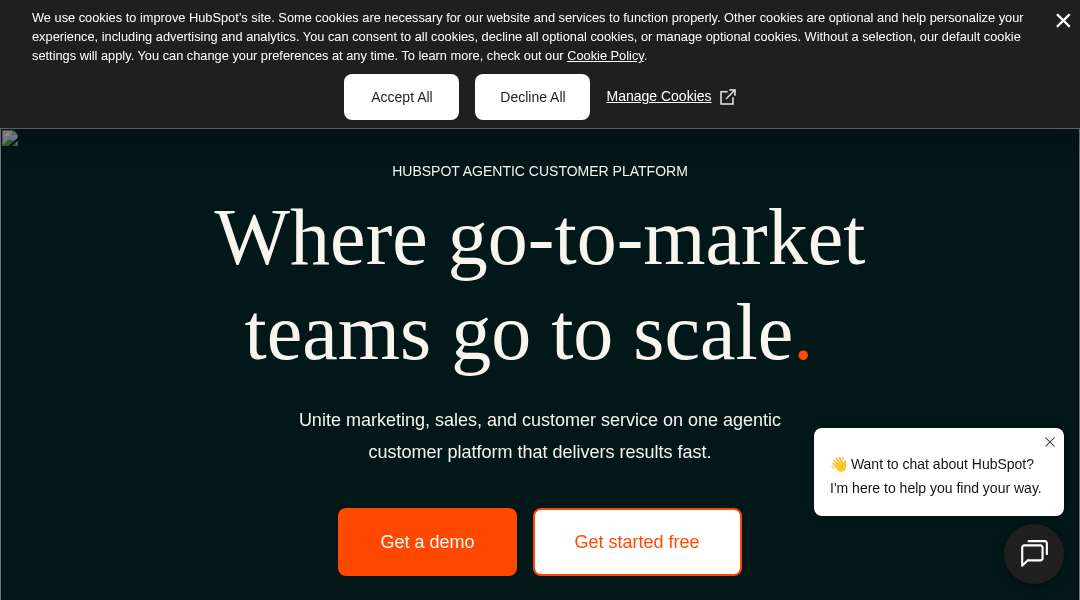
HubSpot
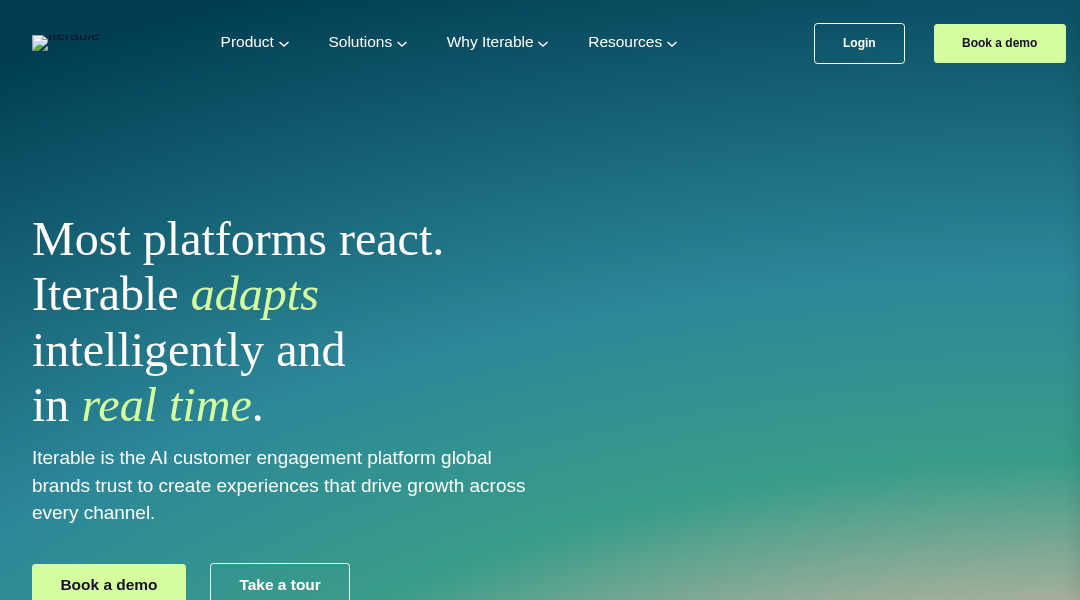
Iterable
Frequently Asked Questions
Which of these three tools has a free plan?
Only HubSpot does. Its Free CRM tier supports unlimited users with contact and deal records, email tracking, live chat, and basic reporting. Braze and Iterable have no self-serve free tier and require a custom enterprise quote.
Do Braze and Iterable publish their pricing?
No. Both are sold through enterprise sales with usage-based pricing tied primarily to monthly active users or contacts. Third-party trackers estimate Braze's entry tier around $30,000 to $60,000 per year and Iterable's Growth tier around $36,000 to $72,000 per year, but neither company publishes exact rates.
Which platform is easiest to implement without dedicated engineering support?
HubSpot is designed for marketers to set up without engineering help. Between the two enterprise platforms, Iterable positions itself around marketer-controlled segmentation and journey building, while Braze explicitly requires SDK integration into mobile apps and websites plus data pipeline setup.
Which tool fits a B2B SaaS or services business versus a consumer app?
HubSpot's customer base skews toward B2B SaaS, agencies, and services businesses using inbound marketing and a unified CRM. Braze and Iterable both target consumer-facing brands in e-commerce, media, fintech, and on-demand services that need always-on, event-triggered lifecycle messaging.
Which of these can stream engagement data into my own data warehouse?
Braze offers Currents for streaming engagement data to Snowflake, BigQuery, or a CDP, and Iterable syncs with data warehouses and CRMs like Salesforce as part of its data platform integrations. This kind of warehouse-streaming pipeline is not documented as a core HubSpot feature.
Related Comparisons
- AWeber vs Brevo vs HubSpot
- Brevo vs Constant Contact vs HubSpot
- Constant Contact vs HubSpot vs SendPulse
Read the full Braze review · Read the full HubSpot review · Read the full Iterable review